


Trichology vs Dermatology
Dermatologists and Trichologists are frequently sought out to help potential patients with hair and scalp issues. However, when you’re seeking out either of these two professionals, you really should keep in mind the differences in the two methodologies.
The difference is that Trichology is a discipline that focuses solely on the hair and scalp, by definition. A dermatologist is a medical doctor who is trained to evaluate and manage patients with benign and malignant disorders of the skin, hair, nails, and adjacent mucous membranes.
This means that dermatologists mainly focus on the skin and all the considerable ailments that go with it, whilst, Trichologists exclusively focus on the hair and scalp.
Hair & Scalp Understanding
To gain a better understanding of your overall hair loss issue, a trichologist may be a better option when you are dealing with hair loss. Additionally, it is becoming more common for you to see trichologists and physicians working together in the same practice to provide a complete scope of hair loss treatment options and medical services to provide the greatest results.
Regardless of the path you choose, you do need to make sure that the practitioner you are visiting for your hair or scalp problem is a specialist in hair loss and the associated issues that may go with it.
Trichologist vs. Transplant Specialist
It is essential to get diagnosed by an experienced trichologist as soon as possible to increase your chances of finding an effective treatment. Trichology treatments are often preferred over hair transplants because they target the underlying causes of hair loss and aim to improve overall scalp health. This approach offers a more holistic solution for hair restoration. While hair transplants can be effective for some individuals, they primarily involve moving hair from one area to another and may not address the root causes of hair loss.
Trichologist vs Dermatologist
A dermatologist typically listens to a patient for symptoms but may not always conduct a thorough examination of the scalp. In contrast, a trichologist takes a comprehensive hair history and examines the scalp for lesions, pimples, signs of inflammation, damaged hair follicles, and often uses a microscope to analyze the scalp’s health in detail.
When it comes to treatments, dermatologists, as allopathic physicians, have a limited range of exclusively medical therapies that typically include minoxidil, steroids, or antifungal creams. They might also perform a biopsy to diagnose the type of alopecia, but this approach often does not resolve hair loss issues.
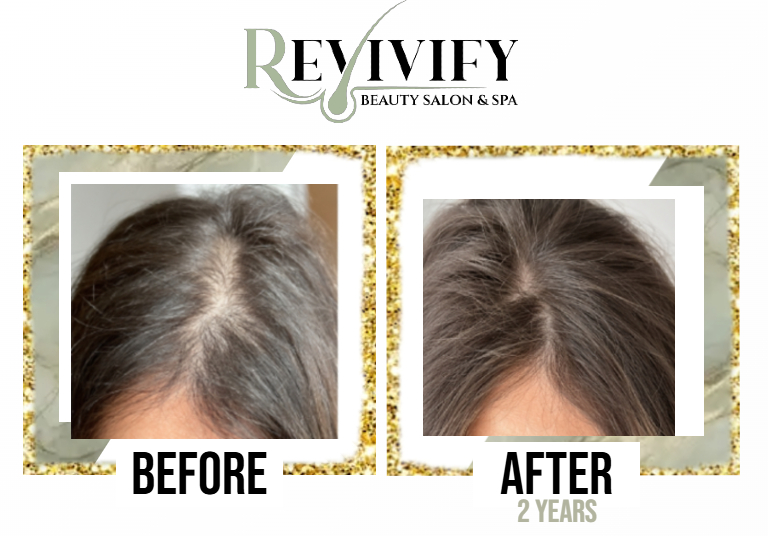
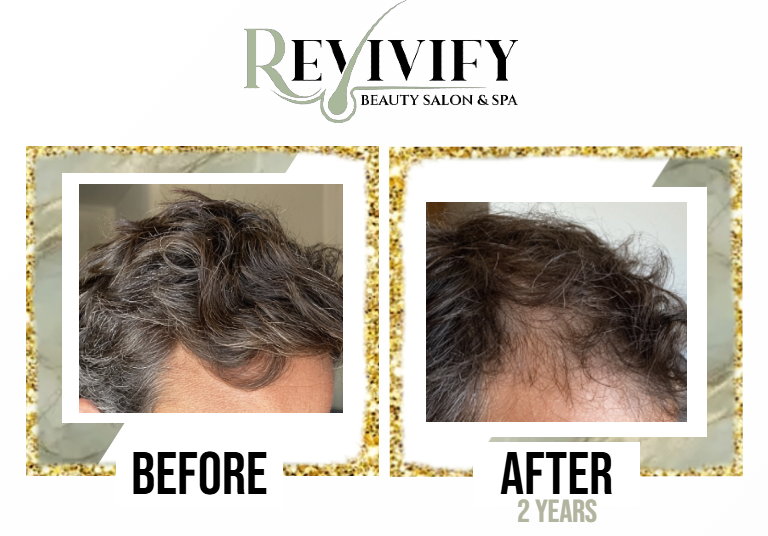
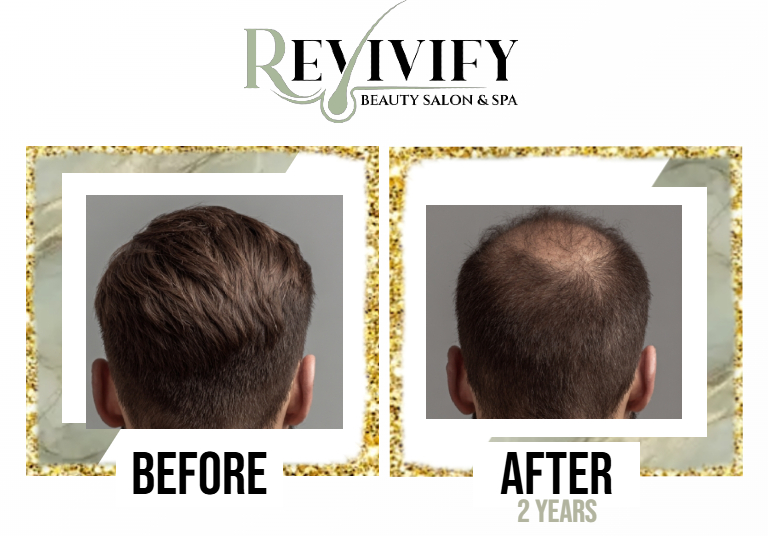
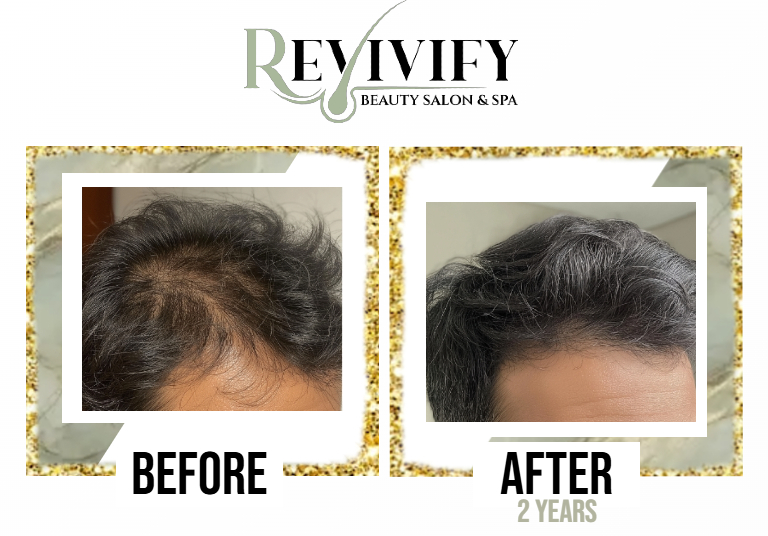
On the other hand, trichologists offer a wider range of hair loss treatment options. Many trichologists take a holistic approach to hair loss, using a variety of treatments such as nutritional supplements, scalp therapy products, and low-level laser therapy, in addition to traditional medical treatments like minoxidil. Typically, trichologists spend at least an hour with a patient during the initial visit, while dermatologists usually spend about five minutes with a patient during an evaluation.
Hair loss can lead to significant anxiety and distress, and there are many misunderstandings about its causes and treatments. Few clinical practitioners specialize in hair and scalp conditions, making trichologists unique in their focus on these areas. Alopecia is the clinical term for various types of hair loss, especially on the scalp. It can be diffuse (affecting the entire scalp), patterned, temporary, or permanent. Understanding the specific type of alopecia is crucial for determining the appropriate treatment and achieving the best possible outcomes.
What does a Trichologist Do?
If a dermatologist or cosmetologist notices issues with a client’s hair, they might refer them to a trichologist. These issues may include thinning of their hair, a flaky or scaly scalp, lesions or pimples, inflammation, damaged follicles, or otherwise worrisome signs.
Insurance Claim: If your hair loss is due to a medical condition, your insurance may cover a medical wig fully or partially. We can help you file your claim, which usually takes 1-2 business days.
Flexible Spending Account: We accept Health Savings Accounts (HSAs) and Flexible Spending Accounts (FSAs) for medical cranial prosthesis purchases. Contact us to discuss your options.
National Alopecia Foundation: Women facing financial hardship due to Alopecia Areata may qualify for a $500 grant to purchase a medical wig. For application details, please contact us.